 11
11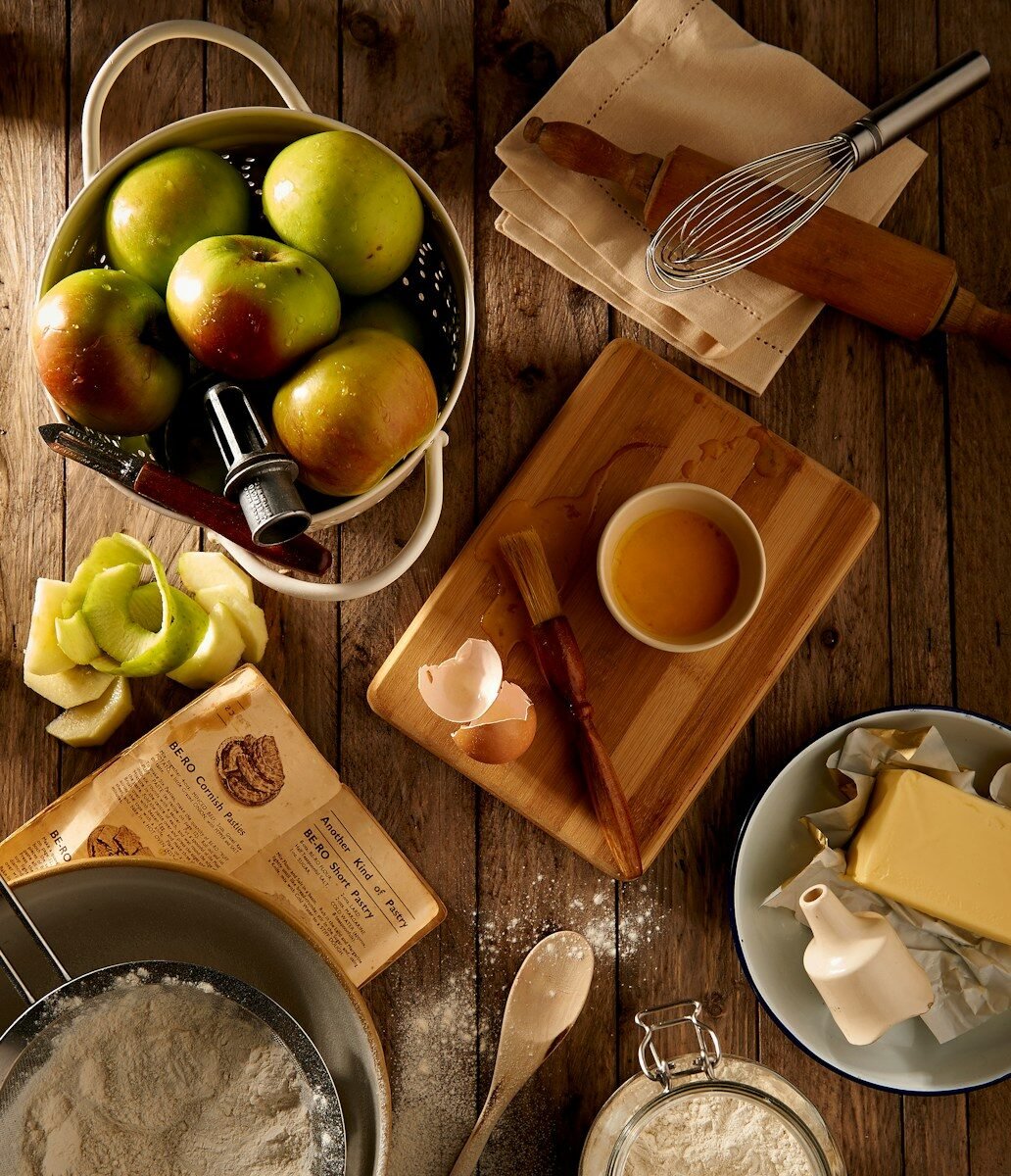
Cooking and baking at home can be simple, enjoyable, and rewarding when you know the right techniques. You do not need professional training to prepare delicious meals or beautiful baked treats. A few practical habits can improve the way you work in the kitchen and help you get better results from everyday recipes.
From preparing ingredients correctly to understanding cooking temperatures and improving baking techniques, small changes can make a big difference. Whether you are making a family dinner, preparing breakfast, or baking something special, these useful tips can help make your kitchen experience easier and more successful.
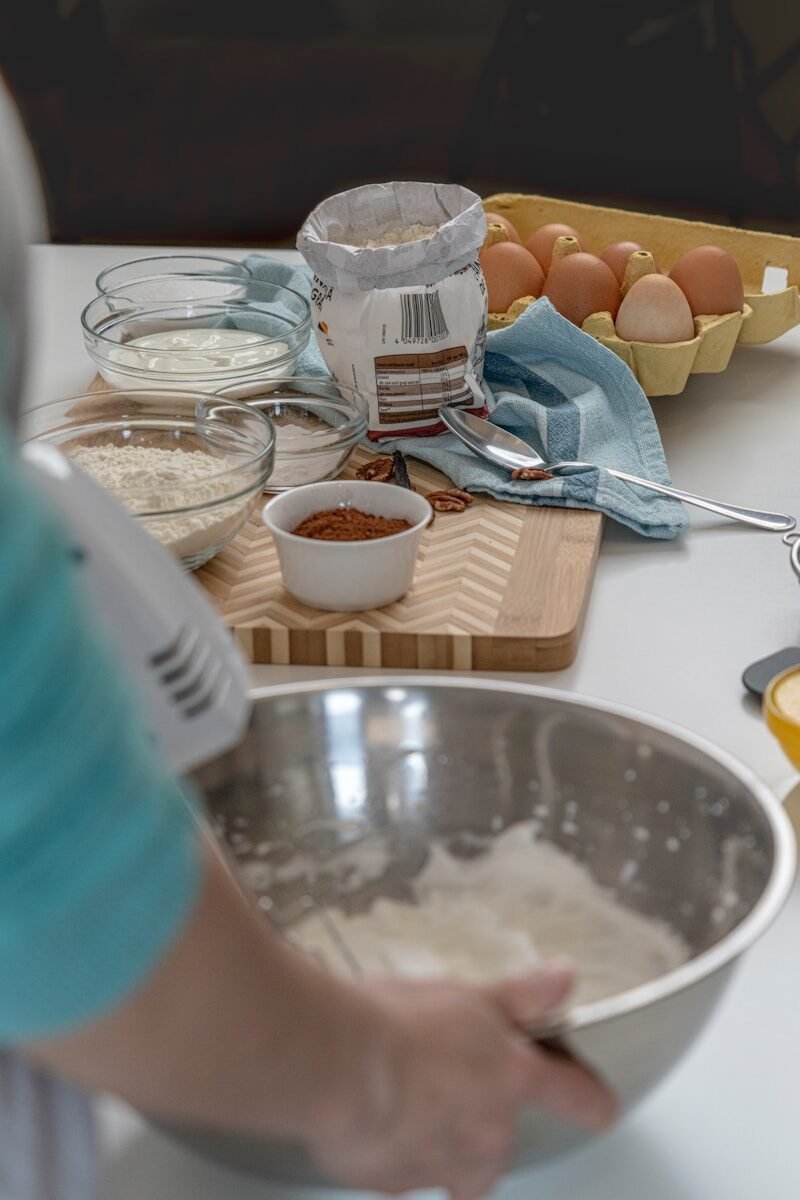
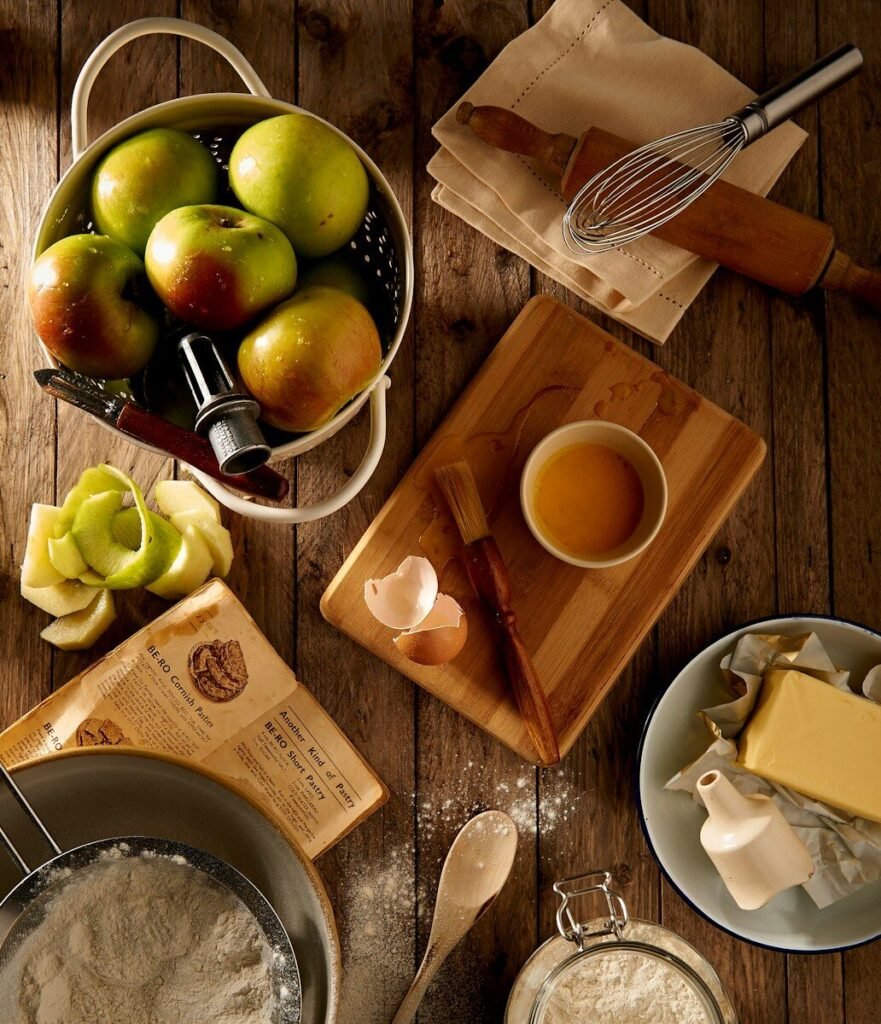
Before beginning any recipe, take a few minutes to organize your ingredients. Read the recipe carefully and place everything you need within easy reach.
Measure spices, prepare vegetables, take out the required equipment, and check that you have enough of each ingredient. This preparation can prevent interruptions and make the cooking process smoother.
For baking, preparation is especially important because many recipes require ingredients to be added in a particular order.
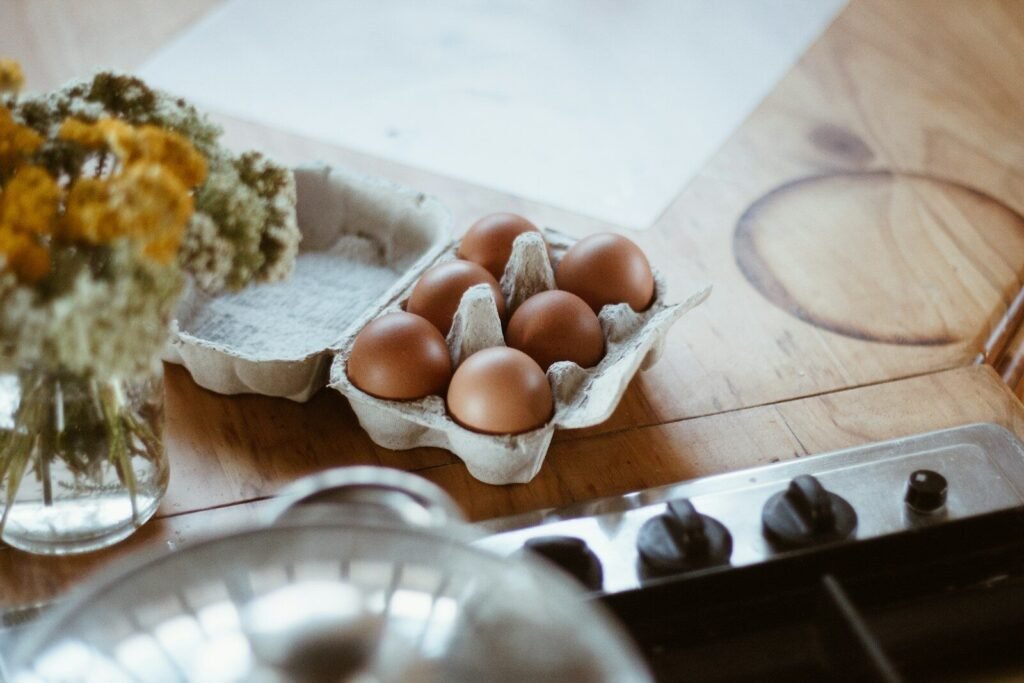
Fresh ingredients can improve the flavor and texture of homemade food. When purchasing vegetables, fruits, dairy products, eggs, and herbs, choose ingredients that are fresh and properly stored.
Dry baking ingredients should also be stored correctly. Flour, sugar, baking powder, baking soda, yeast, and other pantry items should be kept in clean, dry containers.
Before using an ingredient, check its condition and expiration information where applicable.
Accurate measurements are essential when baking. A small difference in the amount of flour, liquid, sugar, or leavening agent can change the texture of a recipe.
Use proper measuring tools and follow the quantities provided by the recipe. For greater accuracy, especially with baking ingredients, a kitchen scale can be very useful.
When measuring flour by volume, avoid packing it tightly unless the recipe specifically tells you to do so.
Always preheat your oven when a recipe requires it. Placing food into an oven that has not reached the correct temperature can affect cooking time and texture.
Allow the oven enough time to reach the required temperature. If you frequently bake, an oven thermometer can help you understand whether your oven temperature is accurate.
Once you place your baked goods inside, avoid opening the oven door unnecessarily.
Learning to control heat is an important cooking skill. Different foods require different temperatures and cooking speeds.
High heat can be useful for browning and searing, while medium heat works well for many everyday cooking tasks. Low heat is useful for gentle simmering and slow cooking.
If food is browning too quickly, reduce the heat. If it is not cooking or browning properly, you may need to increase the temperature slightly.
Overcrowding a pan can affect the way food cooks. When too many ingredients are added at once, moisture can build up and prevent proper browning.
If you are sautéing vegetables or cooking pieces of meat, leave enough space between them. Cook in batches when necessary.
This simple technique can help create better color, texture, and flavor.
Different cooking methods may require different types of oils. Consider the recipe and cooking temperature when choosing an oil.
Use an appropriate amount rather than automatically adding a large quantity. Too much oil can make some dishes heavy, while too little can cause food to stick or burn.
Always follow the recipe when you are learning a new cooking method.
Browning can add flavor and color to many foods. However, constantly moving ingredients around the pan can make it harder for them to develop a browned surface.
Allow food to cook undisturbed for an appropriate amount of time before turning or stirring it.
This technique can be particularly useful for vegetables, potatoes, meat, and other ingredients that benefit from a golden exterior.
Seasoning is one of the easiest ways to improve a meal. Salt, pepper, herbs, spices, sauces, and acidic ingredients can all influence flavor.
Instead of adding a large amount at once, season gradually. Taste the food when appropriate and adjust it as needed.
Remember that ingredients such as cheese, sauces, stocks, and canned foods may already contain salt.
Baking becomes easier when you understand what different ingredients do. Flour provides structure, fats contribute richness and texture, eggs can provide structure and moisture, while leavening ingredients help certain baked goods rise.
Mixing techniques also matter. Some recipes require gentle mixing, while others require thorough beating or kneading.
Following the method in the recipe is important, especially when you are making a recipe for the first time.
Overmixing can make some cakes and muffins dense or tough. Once the ingredients are combined, stop mixing when the recipe indicates that the batter is ready.
If flour is already incorporated, excessive mixing can develop more gluten than desired for certain soft baked goods.
Bread dough is different because kneading is often necessary to develop its structure.
The size and shape of your baking pan can affect the final result. A different pan can change the depth of the batter and therefore influence baking time.
Whenever possible, use the pan size specified in the recipe.
If you must use a different pan, keep in mind that you may need to monitor the baking process more carefully.
Resting can be an important part of cooking and baking. Some cooked meats benefit from resting before slicing, while baked goods often need time to cool and set.
Do not immediately cut a freshly baked cake or loaf unless the recipe specifically recommends it. Cooling allows the structure to become more stable.
For some desserts, chilling is also necessary to achieve the correct consistency.
A well-maintained knife can make chopping and slicing easier. Use a stable cutting board and maintain a safe cutting technique.
Keep your fingers away from the blade and avoid rushing while cutting. Store sharp knives safely after cleaning them.
Good knife habits make everyday food preparation more comfortable and efficient.
Food safety should always be part of your cooking routine. Keep raw ingredients separate from ready-to-eat foods.
Use clean utensils and cutting surfaces, wash your hands appropriately, and clean surfaces after preparing raw foods.
When cooking meat or other foods that require a specific internal temperature, use a food thermometer rather than relying only on appearance.
A clean and organized refrigerator makes meal preparation easier. Store foods appropriately and keep an eye on ingredients that need to be used soon.
Place leftovers in suitable containers and label them when helpful. This can make it easier to identify what is available and reduce unnecessary food waste.
An organized refrigerator can also help you plan meals around ingredients you already have.
Leftovers can become the starting point for another meal. Cooked vegetables can be added to omelets, pasta, rice, sandwiches, or soups.
Leftover chicken can be used in wraps, salads, sandwiches, or rice dishes. Cooked rice can be transformed into a quick fried rice meal.
Using leftovers creatively saves time and helps reduce food waste.
Cleaning while cooking can make the kitchen much easier to manage. Wash utensils when you finish using them and wipe spills as they happen.
Keep unnecessary items away from your workspace. A clean counter gives you more room to prepare ingredients and makes cooking feel less stressful.
By the time your meal is finished, much of the cleanup will already be done.
When you prepare a recipe that works particularly well, write down what you liked about it. You can also record useful changes you made.
For example, you might note that a particular baking time worked best in your oven or that a certain seasoning combination improved a dish.
Over time, these notes can become your personal cooking guide.
The best way to improve cooking and baking skills is through practice. Do not be discouraged when a recipe does not turn out perfectly.
Use mistakes as learning opportunities. Try again, make small adjustments, and observe the results.
Once you understand basic techniques, experiment with different flavors, ingredients, and presentation styles.
Good cooking and baking are built on simple habits. Organizing ingredients, measuring accurately, controlling heat, using fresh foods, choosing the right equipment, and practicing safe food preparation can all improve your kitchen skills.
You do not need complicated recipes to make delicious homemade food. Start with simple dishes, learn the basics, and gradually challenge yourself with new recipes.
At Bake Shumaila, we believe that cooking should be enjoyable, practical, and accessible. With patience and regular practice, you can become more confident in the kitchen and create homemade meals and baked treats that your family will enjoy.