 11
11
Cooking and baking are enjoyable skills that allow you to create delicious food at home. However, getting consistently good results does not always happen by simply following recipes. Small details such as ingredient measurements, cooking temperature, preparation, timing, and storage can make a major difference.
Whether you are preparing a quick family dinner or baking a special cake, learning a few practical kitchen techniques can make the entire process easier. With patience and regular practice, you can become more confident and comfortable in the kitchen.
One of the simplest but most useful cooking tips is to read the entire recipe before you begin. Do not start mixing ingredients or turning on the stove until you understand the steps.
Check the ingredients, quantities, cooking time, temperature, equipment, and preparation instructions. Some recipes require ingredients to be prepared in advance, while others may require resting or chilling time.
Reading the recipe first helps prevent mistakes and keeps the cooking process organized.
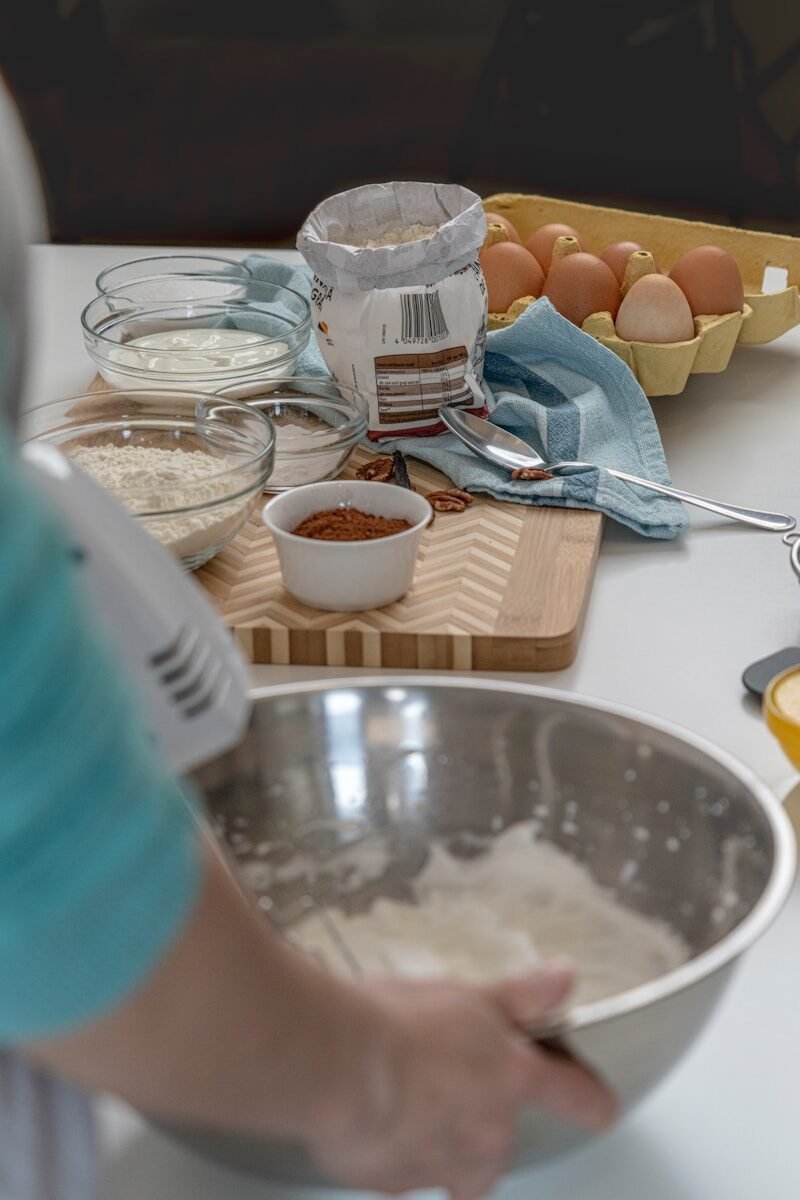
Professional kitchens often use the idea of preparing ingredients before cooking. This means measuring ingredients, chopping vegetables, preparing utensils, and organizing equipment before the main cooking begins.
Having everything ready can save time and reduce stress. It is particularly useful for recipes where ingredients need to be added quickly.
Place the ingredients in separate bowls or containers when appropriate. This makes it easier to follow the recipe without constantly stopping to measure or chop something.
Accurate measurement is one of the most important rules of baking. Cakes, cookies, breads, and pastries depend on a careful balance of ingredients.
A kitchen scale can provide more consistent measurements by weight. If you use measuring cups, make sure you are using the correct type for dry and liquid ingredients. NIST recommends measuring ingredients by mass when possible because it can improve accuracy and consistency.
When measuring flour by volume, avoid pressing it tightly into the cup. Gently fill the cup and level the excess unless the recipe specifies another method.
Every oven can behave slightly differently. The temperature shown on the dial may not always perfectly match the actual temperature inside.
An oven thermometer can help you understand whether your oven is running hotter or cooler than expected. This can be especially useful when baking delicate foods.
Always preheat the oven according to the recipe. Starting with the correct temperature helps baked goods develop the intended texture and structure.
It is tempting to open the oven door repeatedly to check your cake or cookies, but doing so allows heat to escape.
For delicate baked goods, sudden temperature changes can affect the final result. Instead, use the oven window and light to check progress when possible.
Only open the oven when necessary, such as when the recipe tells you to rotate a tray or check for doneness.
Heat control is an important cooking skill. High heat can help brown ingredients quickly, while medium and low heat are useful for gentle cooking and simmering.
If vegetables or onions are burning before they become tender, lower the heat. If food is not browning properly, the pan may need more heat or may be overcrowded.
Learning how your particular stove responds to different heat settings will help you cook more consistently.
Overcrowding a frying pan can prevent ingredients from browning properly. When too much food is placed in the pan, moisture can build up and cause ingredients to steam instead of developing a good browned surface.
Cook in batches when necessary. Leaving enough space between ingredients allows heat to circulate more effectively.
This technique is useful when cooking vegetables, meat, potatoes, mushrooms, and other foods that benefit from browning.
Good cooking often requires patience. Rushing certain steps can prevent ingredients from developing their best flavor.
Allow onions to soften properly, let sauces simmer when the recipe requires it, and give roasted vegetables enough time to develop color.
Do not constantly stir food that needs to brown. Sometimes leaving ingredients undisturbed for a short period helps create a better texture and deeper flavor.
Seasoning can transform a simple dish into a flavorful meal. However, it is usually better to add salt, spices, and other seasonings gradually.
Taste the food during cooking when it is safe to do so. If it needs more flavor, add small amounts and taste again.
Remember that ingredients such as cheese, sauces, stock, and processed foods may already contain salt. Consider the complete recipe before adding additional seasoning.
Pan size matters in baking. Using a pan that is significantly different from the one specified in a recipe can change the thickness of the batter and affect baking time.
A smaller pan may create a deeper layer that takes longer to cook, while a larger pan may produce a thinner layer that cooks more quickly.
For reliable results, use the pan size recommended by the recipe whenever possible. Following the specified pan size is also recommended by established baking guidance.
Overmixing can affect the texture of cakes, muffins, and other soft baked goods.
Once the dry and wet ingredients are combined, mix only until the ingredients are incorporated unless the recipe specifically requires more mixing.
Bread dough is different because kneading can be necessary to develop its structure. Always follow the technique appropriate for the particular recipe.
Cooling is an important part of baking. A cake or loaf may continue to settle after it comes out of the oven.
If you cut a cake too soon, it may crumble or lose its structure. Allow it to cool according to the recipe instructions before slicing or decorating.
For frosted cakes, cooling is especially important because warm cake can cause frosting to soften or melt.
A properly maintained kitchen knife can make chopping and slicing easier. Use a stable cutting board and keep your fingers positioned safely away from the blade.
Do not leave sharp knives hidden under water in a sink. Clean and store them carefully after use.
Good knife habits make food preparation more efficient while helping reduce accidents.
Food safety is an important part of cooking. Raw ingredients, particularly raw meat and poultry, should be kept separate from ready-to-eat foods.
Use clean utensils and cutting surfaces, and wash hands and surfaces appropriately during food preparation. The CDC summarizes basic food safety around four steps: clean, separate, cook, and chill.
When cooking foods that require a specific safe internal temperature, a food thermometer is more reliable than judging doneness by appearance alone.
A clean and organized workspace makes cooking much easier. Put ingredients back after using them and wash utensils when they are no longer needed.
Cleaning as you work means there will be less mess after the meal is finished. It also gives you more space to prepare ingredients.
Keep frequently used tools in convenient locations and store ingredients in appropriate containers.
Not every recipe will be perfect the first time. Maybe your cookies spread too much, your cake became too dense, or your sauce was too salty.
Instead of becoming discouraged, think about what happened. Check the measurements, temperature, cooking time, and preparation method.
Write down successful adjustments. Over time, these notes can become your own collection of useful kitchen knowledge.
Cooking and baking skills develop through repetition. The more often you prepare different recipes, the more comfortable you become with ingredients, temperatures, textures, and timing.
Start with simple recipes and gradually try more challenging dishes. Do not be afraid to experiment once you understand the basic technique.
The goal is not perfection every time. The goal is to learn, improve, and enjoy the process.
Great cooking and baking are built on simple habits. Reading recipes carefully, measuring ingredients accurately, understanding heat, using the correct equipment, maintaining food safety, and allowing enough time for cooking and cooling can significantly improve your results.
You do not need expensive equipment or professional training to become a better home cook. Patience, practice, organization, and attention to detail are often more important.
At Bake Shumaila, we believe that cooking and baking should be enjoyable and accessible to everyone. Use these practical tips in your everyday kitchen, experiment with new recipes, and learn from every dish you prepare. With time and practice, you can create homemade meals and baked treats with greater confidence and consistency.