 11
11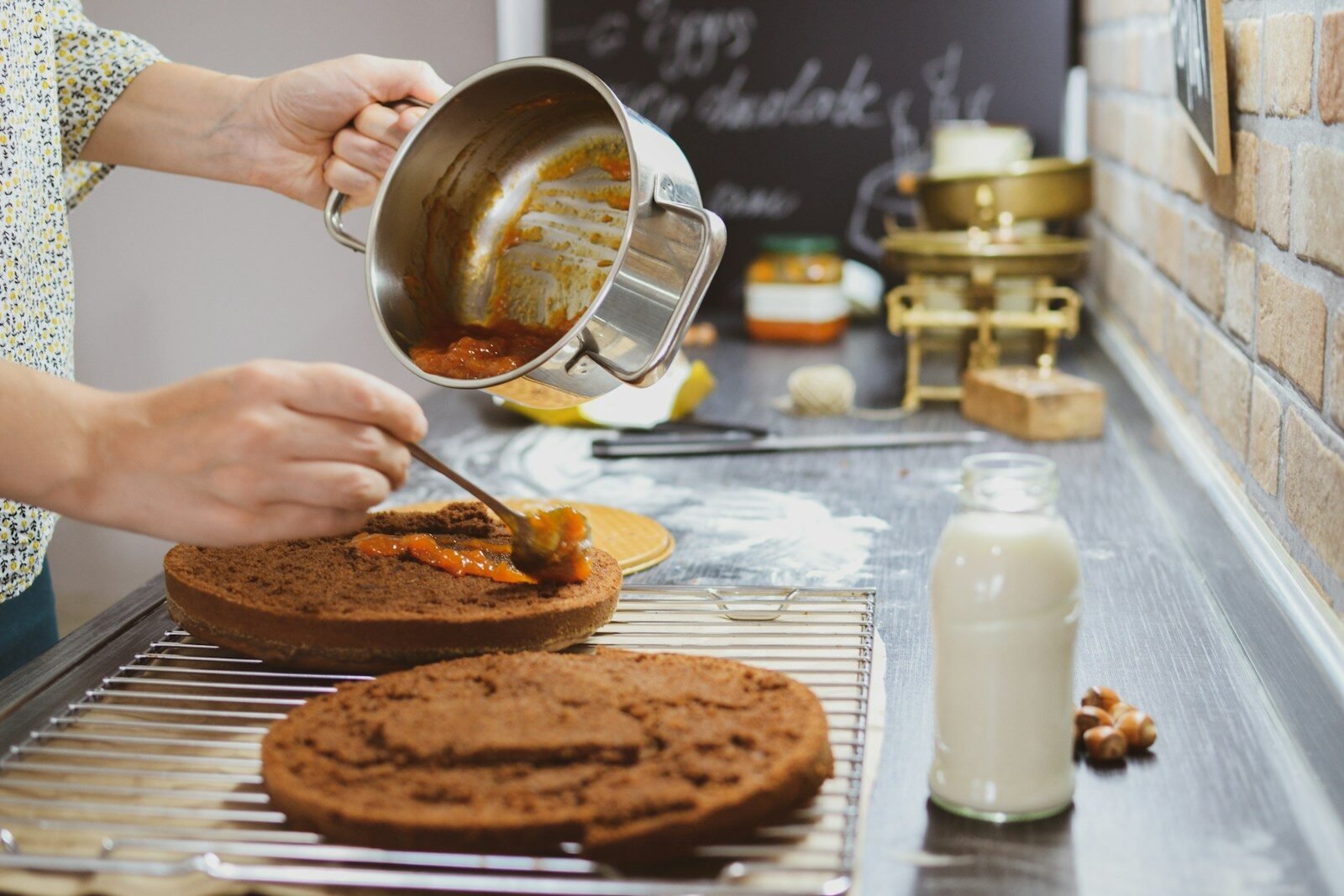
Cooking and baking at home can be a rewarding experience. A homemade meal prepared with fresh ingredients can bring comfort to the entire family, while a freshly baked cake, loaf of bread, or batch of cookies can make an ordinary day feel special. However, getting consistent results requires more than simply following a recipe. Understanding basic kitchen techniques can help you avoid common mistakes and improve your results.
Whether you are preparing your first homemade dish or have been cooking for years, there are always useful techniques to learn. The following cooking and baking tips can help make your time in the kitchen easier, more organized, and more enjoyable.
Good preparation is the foundation of successful cooking. Before turning on the stove or oven, read your recipe carefully and make sure you understand every step.
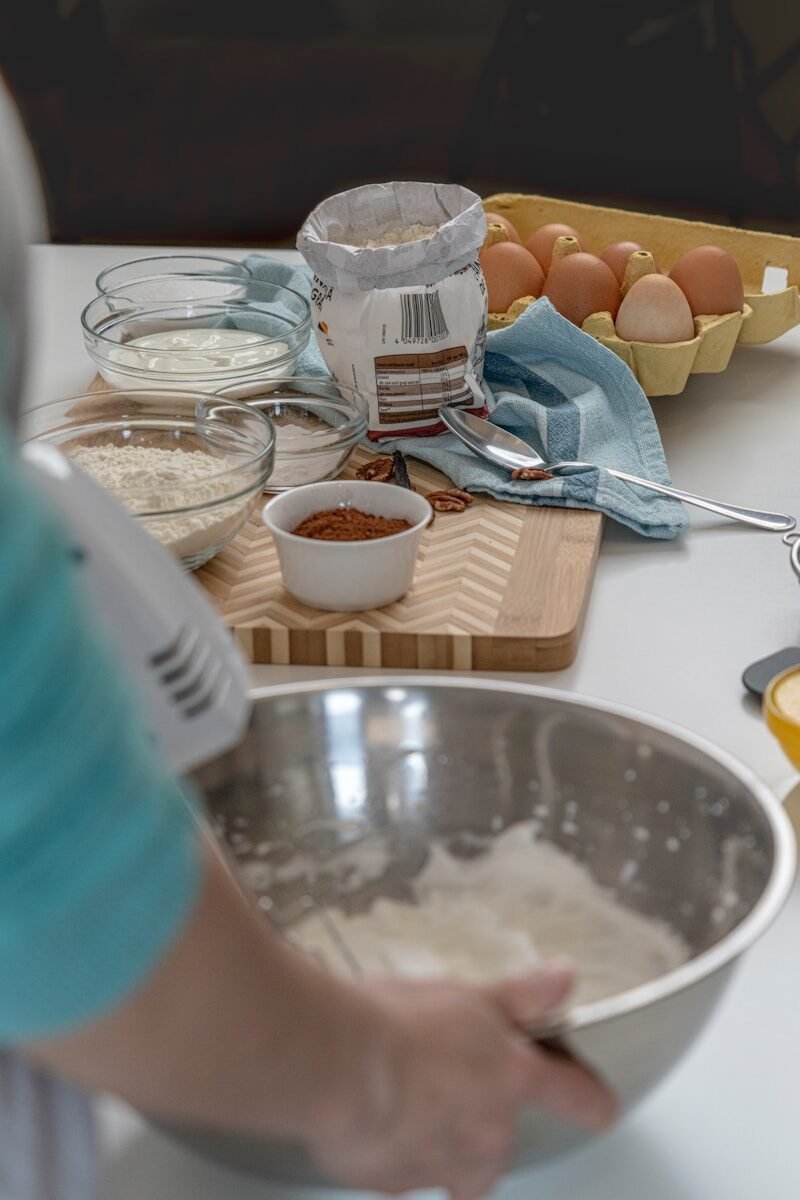
Gather all the ingredients and equipment you will need. Chop vegetables, measure spices, prepare baking pans, and organize your workspace before you begin. This approach prevents you from rushing around the kitchen while your food is already cooking.
Preparation is especially important when working with recipes that require ingredients to be added quickly. Having everything ready allows you to focus on the cooking process instead of searching for ingredients.
Temperature can dramatically affect the final result of a dish. Cooking at excessively high heat can burn the outside of food while leaving the inside undercooked. On the other hand, very low heat may result in food that takes too long to cook or fails to develop good flavor.
Learn to recognize different heat levels. Medium heat is useful for many everyday cooking tasks, while high heat is often suitable for searing or quickly browning food. Low heat works well for slow cooking and gentle simmering.
Do not be afraid to adjust the temperature during cooking. Your stove and cookware may behave differently from those used by the recipe creator.
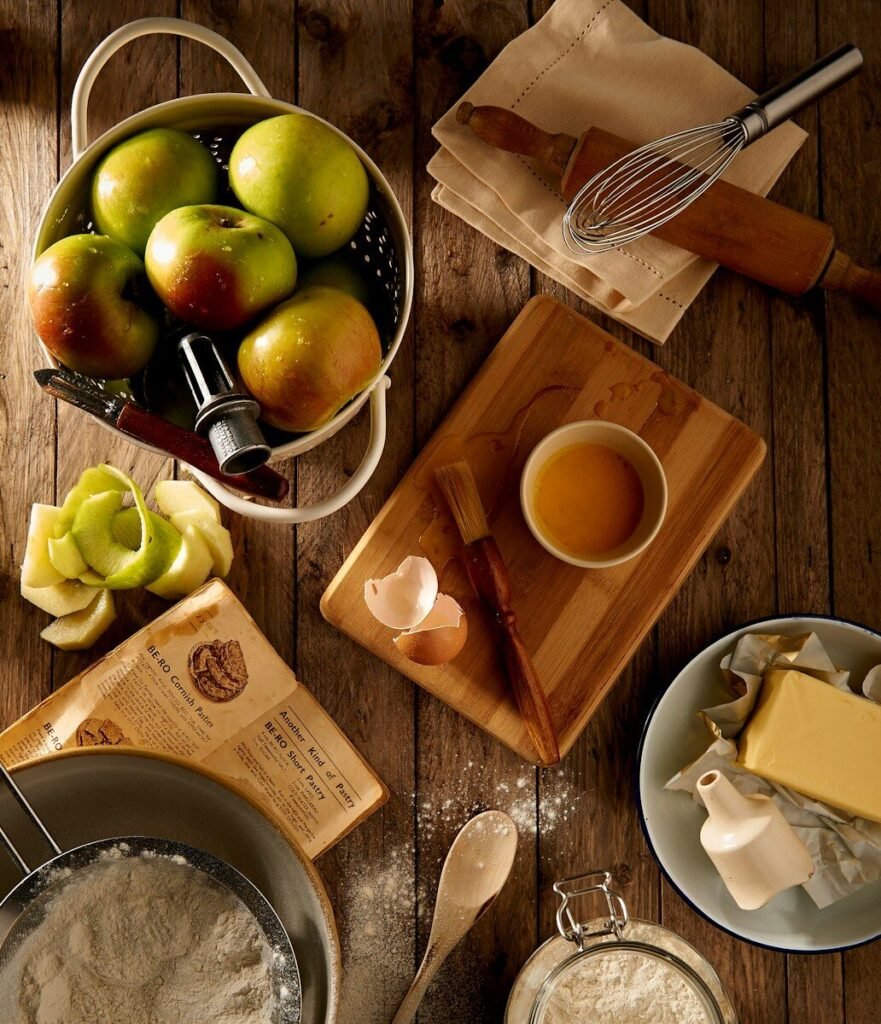
The quality of your ingredients can influence both flavor and texture. Fresh vegetables, good-quality dairy products, fresh eggs, herbs, and properly stored dry ingredients can make homemade food taste better.
When shopping for ingredients, check expiration dates and inspect fresh produce carefully. Avoid ingredients that appear spoiled, damaged, or unusually old.
For baking, ingredient quality is particularly important. Flour, yeast, baking powder, and baking soda should be stored properly and replaced when they become too old to perform effectively.
Baking requires greater precision than many types of everyday cooking. Small differences in ingredient quantities can affect the texture and structure of baked goods.
Whenever possible, use standard measuring cups and spoons. A kitchen scale can provide even greater accuracy, particularly for flour and other dry ingredients.
Avoid guessing measurements when following a baking recipe for the first time. Once you understand how the recipe works, you can experiment with adjustments.
Some recipes require ingredients to be at room temperature. Butter, eggs, milk, and other ingredients may behave differently depending on their temperature.
For example, room-temperature butter can cream more effectively with sugar when preparing certain cakes and cookies. Cold ingredients may also affect how well ingredients combine.
Always check the recipe instructions before beginning and prepare ingredients ahead of time when necessary.
The way you prepare your baking pan can affect whether your cake or other baked goods come out properly.
Depending on the recipe, you may need to grease the pan, dust it with flour, or use parchment paper. Make sure the pan is the correct size because changing the pan size can affect baking time and thickness.
Do not fill a cake pan excessively. Batter needs room to rise during baking.
It can be tempting to check your cake or bread every few minutes, but opening the oven repeatedly allows heat to escape.
Some baked goods, especially cakes and soufflés, can be affected by sudden temperature changes. Instead, use the oven light and window to monitor progress when possible.
Only open the oven when the recipe suggests checking the food or when you need to rotate a baking tray.
Cooking time in recipes is usually an estimate. Different ovens, pans, ingredient sizes, and cooking temperatures can change how quickly food cooks.
Instead of relying only on the timer, learn to recognize signs of doneness. Vegetables may become tender, meat may reach the appropriate internal temperature, and baked goods may develop the expected color and texture.
For foods where safety is important, use a reliable food thermometer rather than guessing.
Patience is one of the most useful kitchen skills. Some foods need time to develop their best flavor and texture.
Allow onions to soften gradually, give sauces enough time to simmer, and let baked goods cool before cutting them. Rushing these steps can negatively affect the final result.
Slow and careful cooking often produces better results than constantly trying to speed up the process.
A sharp kitchen knife is generally easier to control than a dull one. A properly maintained knife can make chopping, slicing, and cutting more efficient.
Use an appropriate cutting board and maintain good hand positioning while cutting. Keep knives stored safely and avoid placing them loosely in a sink where someone could accidentally reach onto the blade.
Learning basic knife skills can make food preparation faster and more consistent.
Seasoning is an important part of cooking, but adding too much salt or spice can be difficult to correct.
Add seasonings gradually and taste the dish as it develops. Ingredients such as herbs, spices, lemon juice, vinegar, and sauces can all change the overall flavor.
Remember that some ingredients already contain salt, so consider the entire recipe before adding additional seasoning.
After cooking certain meats, allowing them to rest for several minutes can help retain their juices. Cutting immediately can cause more liquid to escape onto the plate.
The exact resting time depends on the type and size of the meat. Follow the recipe or cooking method you are using.
This simple step can improve the texture and eating experience.
Cooking can become much less stressful when you clean as you go. Instead of leaving every bowl, spoon, cutting board, and utensil until the end, wash or organize items when you no longer need them.
Keep your workspace clear and wipe spills quickly. This creates more room for preparation and reduces the amount of work waiting for you after the meal.
Cooking and baking are skills that improve through practice. Do not worry if every recipe does not turn out perfectly the first time.
Try different herbs, spices, fillings, toppings, and cooking techniques. Keep track of successful changes so you can repeat them later.
Over time, you will develop a better understanding of ingredients and become more comfortable making adjustments without depending completely on a recipe.
Successful cooking and baking are built on simple habits: proper preparation, accurate measurements, temperature control, quality ingredients, patience, and practice. You do not need expensive equipment or complicated techniques to prepare delicious homemade food.
By understanding the basics and learning from every recipe you make, you can gradually improve your kitchen skills and become more confident. From everyday meals to homemade desserts, small improvements can make a noticeable difference.
At Bake Shumaila, we believe that cooking should be enjoyable and accessible to everyone. Keep practicing, explore new recipes, and most importantly, have fun creating delicious food in your own kitchen.